
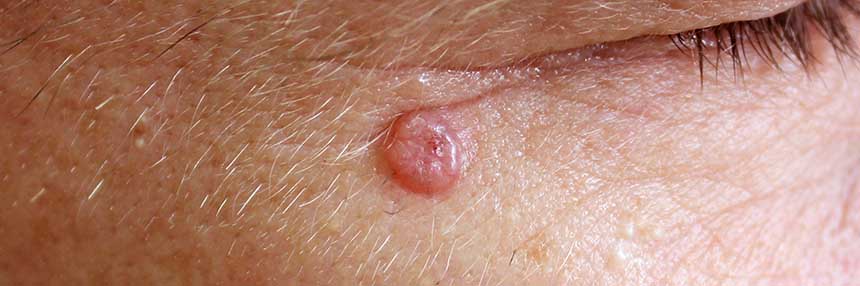
Skin Cancers
What are some common types of skin cancers?
The most common type of skin cancer is basal cell carcinoma followed by squamous cell carcinoma. Although the incidence of melanoma in Singapore is relatively low, melanoma causes most of the deaths from skin cancer.
How are skin cancers diagnosed?
If you notice any unusual growth or patch on your skin, especially if it is getting bigger, you should have it assessed by a dermatologist. Regular skin cancer screening checks are also recommended for patients at high risk of skin cancers. If a skin cancer is suspected, your doctor may advise a biopsy of the growth or patch for microscopic examination. In some instances, it may be more appropriate for the entire lesion to be removed at the outset and sent for examination and confirmation of cancer. Your dermatologist will be able to advise you on the best option for checking and treatment.
How are skin cancers treated?
Most skin cancers can be cured by surgical excision. A specialised form of skin surgery to remove some types of skin cancer is Mohs micrographic surgery. Sometimes, surgery may not be possible and radiotherapy may be a more suitable alternative. Some superficial skin cancers may not need surgical treatment and can be managed by other treatment methods. This may involve cryotherapy with liquid nitrogen, topical therapy (creams) or photodynamic therapy.
How can I reduce my risk of getting skin cancer?
We can reduce our risk of getting skin cancer by the following ways
- Avoid tanning beds
- Avoid peak sunlight hours from 10-4pm if possible. If not, apply broad spectrum sunscreen with SPF 30 and above when working or playing outdoors. Reapply every 2 hours if outdoors, especially if your skin is wet.
- Wear sun protective clothing such as wide-brimmed hats or long-sleeved shirts and pants when outdoors.
- Examine your skin regularly. Look out for any unusual skin growths that may be brown, black, red or even skin-coloured.
- Learn the danger signs of skin cancer and see a dermatologist early if you detect any new or changing moles or skin growths.
- Teach your children about the risks of sun burn. Encourage them to wear protective clothing and apply sunscreen regularly when outdoors.